


Why Trust Is the Only Real Hiring Asset
November 12, 2026 • 2 mins read
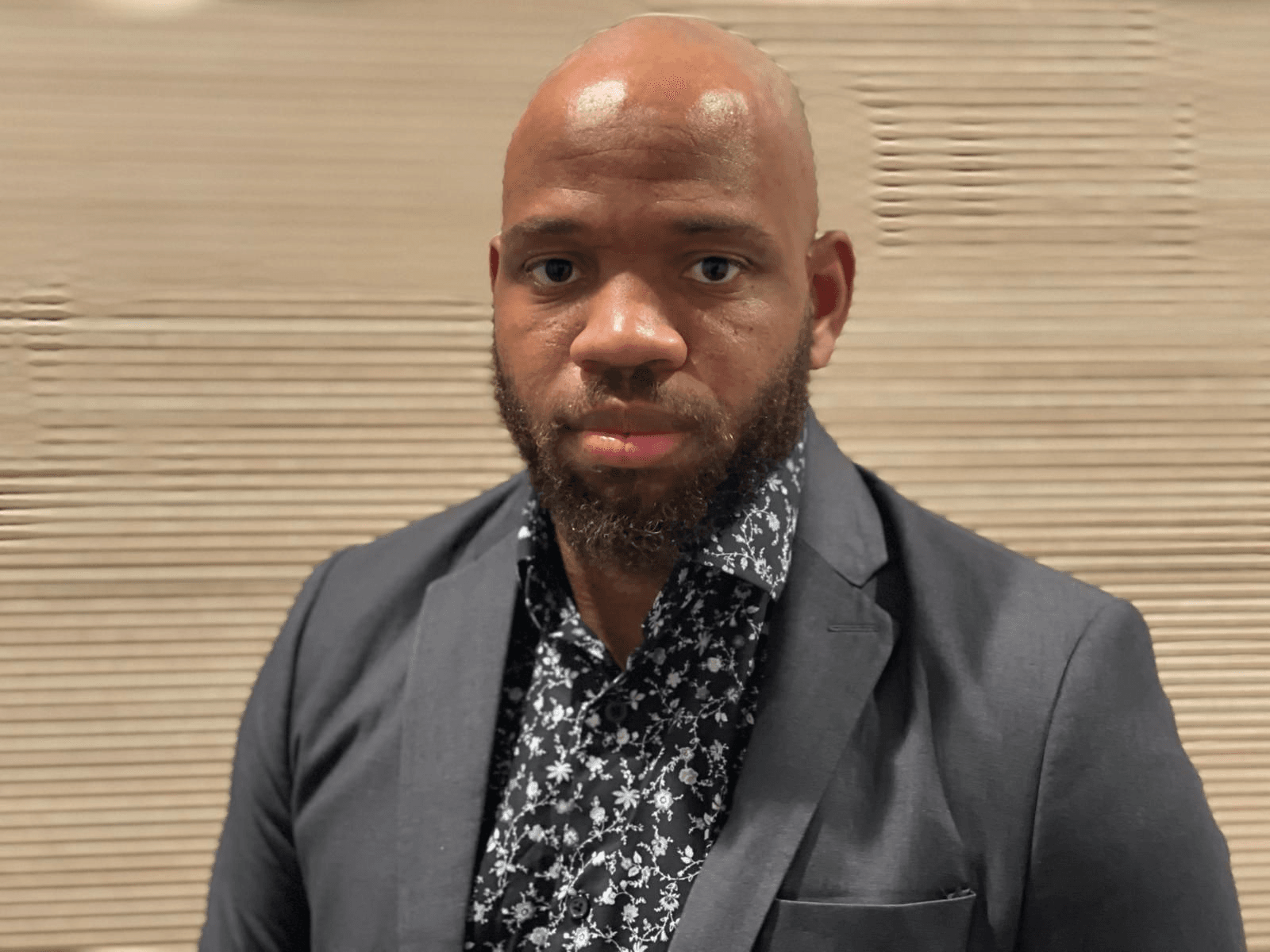
By Chukwudum “Chumze” Chukwudebelu
Founder/CEO, TheChumEffect Creator of the BAAB Framework


Introduction
Most hiring failures don’t look like failures at first.
The process was followed.
The interviews went well.
The data looked solid.
On paper, everything worked.
In reality, something was already breaking.
Why Hiring Systems Depend on Trust
Every hiring system has gaps.
Signals are incomplete.
Information is asymmetric.
Outcomes are uncertain.
What fills those gaps isn’t more tooling.
It’s trust.
Trust that:
- the judgment was sound
- the standards were shared
- the decision-maker owned the call
- the reasoning would hold up later
Without trust, even strong signals feel fragile.
The Broken Assumption
Many organizations operate under this belief:
Better tools eliminate hiring risk.
They don’t.
Tools still require interpretation.
Signals still require belief.
Decisions still require commitment.
Tools amplify trust — they don’t replace it.
How Trust Quietly Breaks in Hiring
Trust rarely collapses all at once.
It erodes quietly.
- interview feedback gets discounted
- recommendations get second-guessed
- decisions get revisited repeatedly
- people hedge instead of committing
Hiring slows, not because the system is weak, but because confidence is gone.
What Trust Actually Means in Hiring
Trust isn’t optimism.
It’s reliability.
In hiring, trust means:
- confidence in how decisions are made
- belief that standards are applied consistently
- expectation that someone owns the outcome
- willingness to move forward without hedging
When trust exists, decisions feel firm even under uncertainty.
Why Trust Is Harder to Rebuild Than Process
When trust breaks, teams don’t name it.
They compensate.
They add steps.
They add reviewers.
They add approvals.
They add tools.
Process grows where trust erodes.
The system becomes heavier — not better.
How Mature Teams Protect Trust
Mature teams treat trust as an asset.
They:
- make decision ownership explicit
- explain reasoning clearly
- review outcomes honestly
- maintain consistency over time
Trust isn’t assumed.
It’s maintained.
A Simple Diagnostic
Ask this after a hire is made:
Do people trust the decision — or do they keep re-litigating it?
If doubt lingers, the problem isn’t the candidate.
It’s the system underneath.
Frequently Asked Questions

Isn’t trust subjective?
It’s built through consistency, not personality.
How do teams build trust in hiring?
By making decisions explainable and owned.
What breaks trust fastest?
Inconsistent standards and unowned outcomes.
Can trust scale?
Yes — when judgment is visible and repeatable.
What happens when trust is gone?
Speed drops. Process grows. Learning stalls. Hiring tools matter. Processes help. But trust determines whether any of it actually works.
Related articles
Staffing Contract Terms Worth Negotiating
The clauses in a staffing agreement that move more money than the percentage does, what good looks like in each, and the order to raise them in.
TEKsystems vs Insight Global: Which Fits Which Hiring
A head-to-head on the two largest US IT staffing firms: where each genuinely wins, where both are weak, and how to decide without taking either sales pitch at face value.
Staffing Terms Glossary: What Employers Actually Need to Know
A plain-language glossary of the staffing terms that appear in contracts and quotes, written for the buyer rather than the agency, with the two that are most often confused.


